Restoring Hope for Moms in Pain: Kristin Kohs of The Sanctuary Holistic Healing Center
Interview by Heather Anderson
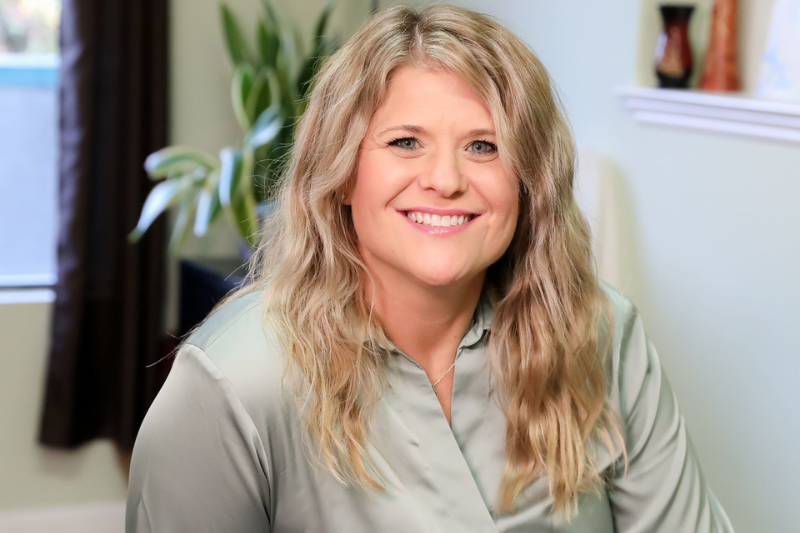
When pain lingers—whether from childbirth, nursing strain, or the daily weight of caring for a family—it’s easy for moms to put themselves last. Kristin Kohs knows this all too well. As the owner and director of The Sanctuary Holistic Healing Center in Pleasant Hill, CA, she’s built a place where women can breathe, recover, and feel truly cared for. Drawing from her own teenage tendonitis, experiences of adoption and birth, and heartbreaking encounters with pain medication dependency in her family, Kristin has created a holistic model that blends massage, complementary therapies, and compassionate support—without the surprise charges or rushed sessions that moms dread.
You’ve faced your own battles with pain and healing. Can you take us back to the moment you first knew creating a sanctuary for others was your calling?
When I was a teenager, I thought I’d be an artist—until I developed tendinitis in my hand and couldn’t even hold a pencil. My mom brought me to a young massage therapist who had a disability herself, and she healed me. It was mind-blowing. Not only could I draw again, but I also realized I wanted to help people feel that kind of relief.
By 18, I was already practicing massage. Later, when I experienced my own chronic pain, I sought holistic help and kept running into clinics that tacked on endless charges. I’d go in expecting a $100 bill and walk out paying over $300. That anxiety didn’t just hit my wallet—it stalled my healing. I knew there had to be a better way. Eventually, working in someone else’s rehab facility, I saw how limited I was in giving clients the time and attention they truly needed. That’s when I decided to open The Sanctuary.
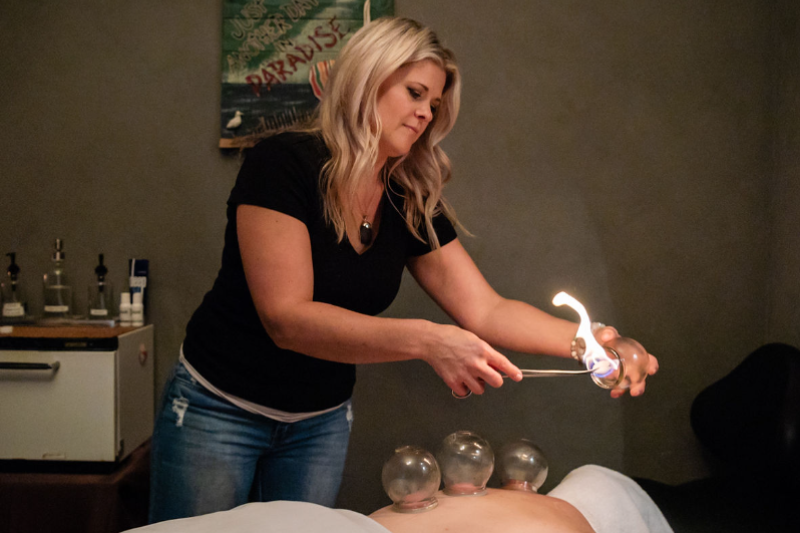
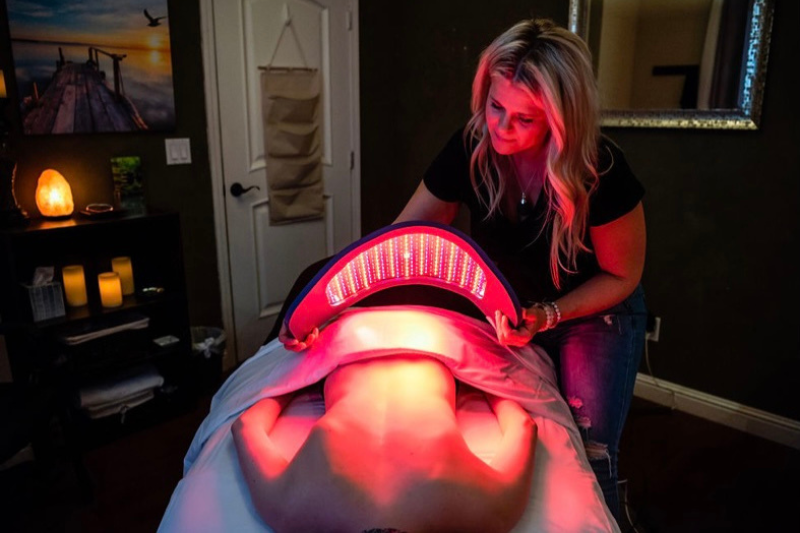
Pleasant Hill Sanctuary is known for layering in hot stones, cupping, red light therapy, essential oils, and more—all included in a standard session. Why was it so important to you to make those extras accessible instead of add-ons?
Because healing shouldn’t come with sticker shock. When someone is already in pain, the last thing they need is anxiety over surprise charges. At The Sanctuary, clients pay for time, not modalities. That means therapists are free to use whatever tools—hot stones, cupping, oils, red light—are needed for the best outcome. The focus is on results, not upselling.
You’ve said that supporting new moms—especially those struggling with nursing strain or postpartum trauma—is close to your heart. How do you approach helping moms physically recover while also caring for their emotional well-being?
I’ve been a new mom two different ways: through adoption and through birth. With adoption, the emotional side hit hard—fear, rejection, the stress of bonding. With birth, it was the physical toll—nursing posture, sleepless nights, and the trauma of delivery. Both paths showed me how much moms need nurturing touch, not just for their bodies but for their hearts.
For adoptive moms, I often teach ways to use therapeutic touch with their babies, helping both mom and child feel secure. For birth moms, we work on opening the chest and shoulders, easing wrist and neck pain from nursing, and supporting pelvic recovery. In every case, it’s about giving moms the reassurance: you’re held, too.
From your perspective, what are the biggest challenges moms face in prioritizing their own healing, and how does your team step in to support them?
Moms are always in go-mode. Between lunches, school drop-offs, baths, and bedtime stories, they often land at the bottom of their own priority list. We encourage them to pause—just once or twice a month—and give themselves permission to be nurtured. Our therapists specialize not only in pain relief but in creating a space of compassion and comfort. Sometimes moms don’t realize how powerful an hour of restorative bodywork can be until they arrive utterly depleted. We love being the place where they can reset.
“I can’t help everyone, but I can listen and be that voice of encouragement. Sometimes people just need someone to hold their hand through those first scary steps of trying again.”
Your own family’s experiences with pain medication dependency clearly shaped your mission. How did that influence the way you practice today?
This is deeply personal. I adopted my older daughter because her parents—my sister among them—were addicted to pain medications. Easy prescriptions for back pain led to devastating consequences. I also lost my mom to addiction.
Later, when I had a serious injury myself, my doctors prescribed multiple pain medications. My daughter looked at those bottles and asked, “Am I going to lose another mom?” That moment changed everything. I used the medication only briefly to break the inflammation cycle, then turned to holistic modalities—red light therapy, cupping, hot stones, essential oils, gua sha—to manage my pain.
I don’t want other kids to lose parents the way my daughter did. My mission is to restore both hope and the body, offering alternatives so families don’t have to walk through that same darkness.
For someone living with chronic pain who feels hopeless about trying “one more thing,” what’s the first step you’d encourage them to take?
Talk to me. Don’t just book online and become a calendar slot—I want to hear your story. I can’t help everyone, but I can listen and be that voice of encouragement. Sometimes people just need someone to hold their hand through those first scary steps of trying again.
One thing that stands out at The Sanctuary is how clients get their full treatment time. What does that look like in practice?
If your session is at 2:00, we invite you to arrive at 1:55 to settle in. Your 60 or 90 minutes doesn’t start while you’re hanging up your coat or using the restroom. It begins once you’re on the table, ready.
We also build in recovery time for our therapists—15 to 30 minutes between sessions—so clients never feel rushed. Prenatal moms get extra setup time, complete with pillows and even robes if they need to step out. The goal is simple: your healing happens on your time, not on the business’s dime.
Healing isn’t just about easing pain—it’s about restoring hope and joy. Can you share a client story that really reflects that?
One woman came in wearing two boots and compression leggings because her foot pain was so severe she could hardly drive. Doctors had told her to stay off her feet and rely on injections. She was losing her ability to work and live fully.
After just a few sessions, we released enough connective tissue for her to flex her ankles again. With ongoing care and a personalized stretching routine, she went from using a wheelchair to hiking, dancing, and regaining her lifestyle. Seeing her joy return reminded me why I do this work—it’s not just about movement, it’s about giving people their lives back.
You’ve recently added shockwave therapy to your offerings. Can you tell us more about this new treatment?
Yes! Shockwave therapy uses sound waves to stimulate the body’s natural repair processes—boosting stem cell activity, increasing collagen, and helping regenerate healthy tissue.
It’s especially effective for chronic bone and tendon issues. Some of the conditions we treat include:
Plantar fasciitis
Achilles tendinopathy
Frozen shoulder
Patellar tendinopathy (knee pain)
Carpal tunnel
Sciatica
Back and neck pain
Nerve entrapment and neuropathy (numbness, tingling, burning in hands or feet)
Most people feel a difference immediately after a session. It’s non-invasive, safe, and often works when traditional methods have failed.
If you could leave moms with one takeaway about healing and hope, what would it be?
Take a moment to pause and self-assess. Moms don’t turn off, but your productivity and joy suffer when you’re running on empty. Even once a month, giving yourself time to restore your body and spirit makes all the difference. You deserve to be nurtured, too.
For anyone ready to take the next step, what’s the best way to begin with you?
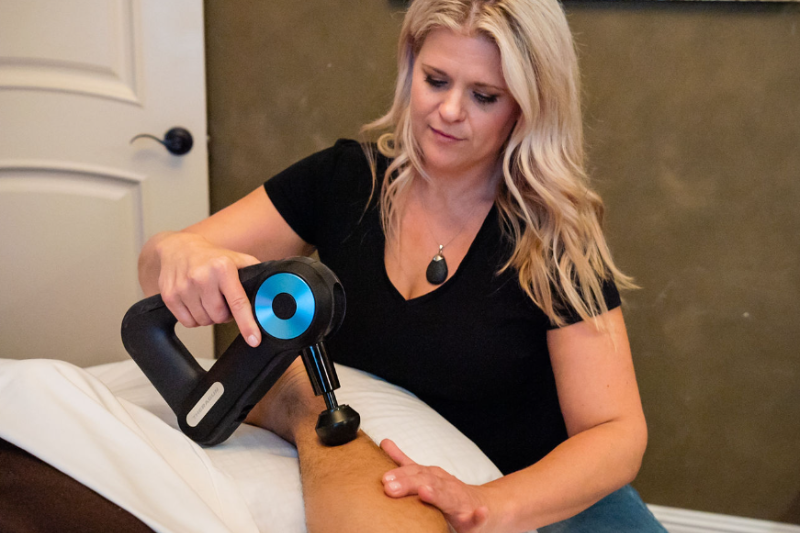
Book a 60- or 90-minute restorative bodywork massage and enjoy any of our complementary add-ons during your session.
If you’re dealing with something more complex or personal, schedule a phone assessment so we can design a plan together.
Curious about shockwave therapy? Ask about our upcoming trial sessions for frozen shoulder, plantar fasciitis, or neuropathy.
First-time clients can use The Mamahood special: $30 off your first session—making it $90 for 60 minutes or $140 for 90 minutes.
Connect with Kristin Kohs on Facebook or Instagram.
You can also find her on The M List, The Mamahood’s searchable database of mom-recommended resources, or connect and collaborate with Kristin inside The Club membership for women Founders.